

Losing weight doesn’t have to feel like a never-ending uphill battle. The secret? It’s all about mastering portion control! By understanding how much to eat and when, you can unlock the door to faster, more sustainable weight loss—without giving up your favorite foods. Whether you’re just starting your journey or looking for practical ways to level up your progress, these portion control tips will set you up for success. Let’s dive into the science, strategies, and hacks you’ll wish you had discovered sooner!
The Science Behind Portion Control for Weight Loss
Portion control for weight loss isn’t just a trendy buzzword—it’s backed by science. The fundamental principle is simple: consuming fewer calories than your body burns leads to weight loss. However, the challenge lies in balancing your calorie intake without feeling deprived.
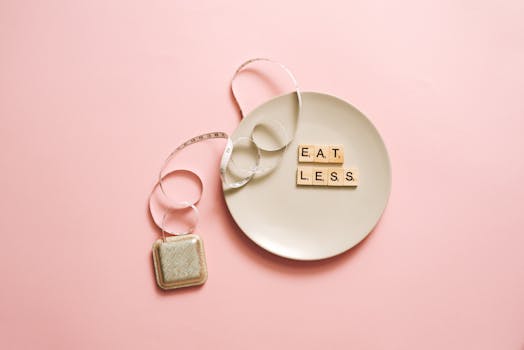
When we consume oversized portions, our brains can’t always recognize when we’re full. Studies show that eating larger portions increases calorie intake, often without us realizing it. This phenomenon is known as “portion distortion,” where what we consider a “normal” serving size has grown significantly over the years.
Portion control strategies help combat this by training your brain to recognize appropriate serving sizes. This doesn’t mean you have to eliminate your favorite treats but rather learn how to enjoy them in moderation. Tools like portion control plates, measuring cups, and visual cues (like comparing a serving of meat to the size of your palm) can make a huge difference.
Moreover, portion control isn’t just about cutting back. It’s also about optimizing what you eat. By focusing on nutrient-dense foods like lean proteins, whole grains, and vegetables, you can feel fuller for longer—all while consuming fewer calories. Understanding the science of portion control equips you with the knowledge to make smarter choices, setting the stage for long-term success.
10 Simple Portion Control Hacks to Slim Down Faster
Ready to put portion control into action? Here are ten game-changing portion control hacks that will have you shedding pounds in no time:
-
Use Smaller Plates and Bowls: This classic trick works wonders. Smaller dishes make your portions look larger, tricking your brain into feeling satisfied with less.
-
Measure Your Portions: Invest in a food scale or measuring cups to ensure accuracy, especially for calorie-dense foods like pasta and nuts.
-
Pre-Portion Snacks: Avoid eating straight from the bag. Divide snacks into single-serving portions to prevent overeating.
-
Fill Half Your Plate with Veggies: Vegetables are low in calories and high in fiber, making them perfect for filling you up without adding to your calorie count.
-
Drink Water Before Meals: A glass of water can help you feel fuller and prevent overeating.
-
Slow Down and Savor Each Bite: Eating mindfully allows your brain to register fullness, reducing the likelihood of overindulging.
-
Avoid Family-Style Serving: Serve meals onto individual plates instead of placing large dishes on the table, which can tempt you to go for seconds.
-
Start with a Salad: Beginning your meal with a low-calorie salad can curb your appetite and reduce overall calorie intake.
-
Use Your Hand as a Guide: Your palm can estimate a portion of protein, your fist for carbs, and your thumb for fats.
-
Practice the 80/20 Rule: Stop eating when you’re 80% full, leaving room for digestion to catch up.
By incorporating these portion control tips into your daily routine, you can significantly cut back on calories without feeling restricted.
Mastering Portion Control Strategies for Everyday Life
Portion control isn’t just a diet hack—it’s a lifestyle. To truly master it, you need to integrate it seamlessly into your day-to-day activities. Here’s how:
Meal Planning and Preparation
Planning your meals in advance is one of the most effective portion control strategies. When you prepare meals at home, you have complete control over serving sizes and ingredients. Try batch cooking and dividing meals into individual portions for the week ahead. This not only saves time but also eliminates the guesswork.
Eating Out Without Overdoing It
Restaurant portions are notoriously oversized. Combat this by asking for a to-go box at the start of your meal and packing up half for later. Alternatively, share an entree with a friend or choose appetizers as your main course.
Mindful Eating Practices
Mindful eating emphasizes awareness of your hunger and fullness cues. Put away distractions like your phone or TV while eating, and focus on the flavors, textures, and aromas of your food. This practice helps prevent overeating and enhances your overall dining experience.
Portion-Friendly Cooking
When cooking at home, use portion control hacks like dividing recipes into exact servings. For example, if a recipe makes four servings, immediately store the other three before sitting down to eat. This prevents the temptation to go back for seconds.
Adapting to Social Settings
Social gatherings can be tricky, but you don’t have to sacrifice your progress. Survey buffet tables before filling your plate, and stick to one serving. Politely decline seconds, and focus on the company rather than the food.
These strategies make portion control for weight loss feel effortless, allowing you to stay consistent without feeling overwhelmed.
Portion Control Tips for Tackling Cravings and Overeating
Cravings and overeating can derail even the best intentions. Luckily, portion control offers practical solutions:
Manage Emotional Eating
Emotional eating often leads to overindulging. When cravings strike, pause and ask yourself if you’re truly hungry or just bored, stressed, or upset. If it’s not hunger, try distracting yourself with a walk, hobby, or a glass of water.
Satisfy Cravings with Small Portions
Denying yourself your favorite foods can backfire, leading to binge eating. Instead, satisfy cravings with small, controlled portions. Craving chocolate? Enjoy a square or two rather than the entire bar.
Identify Trigger Foods
Some foods are harder to eat in moderation. Identify your trigger foods and either avoid keeping them at home or pre-portion them to avoid overindulgence.
Set a Food Schedule
Eating at regular intervals helps stabilize your blood sugar levels and prevents extreme hunger, which can lead to overeating. Stick to three balanced meals and one or two snacks each day.
Incorporate Protein and Fiber
Protein and fiber are your best friends when it comes to portion control for weight loss. They keep you feeling full and reduce the likelihood of overeating later.
By implementing these portion control tips, you can tackle cravings and overeating head-on, keeping your progress on track.
How Portion Control Can Help You Achieve Long-Term Results
One of the biggest benefits of portion control is its sustainability. Unlike crash diets, which often lead to temporary results, portion control teaches you lifelong habits that support long-term weight management. Here’s how:
Building a Healthy Relationship with Food
Portion control helps you enjoy all foods in moderation, fostering a balanced and healthy relationship with eating. You’ll no longer view foods as “good” or “bad,” reducing guilt and emotional eating.
Preventing Weight Regain
Many people regain weight after dieting because they return to old eating habits. Portion control strategies create a sustainable framework that prevents you from slipping back into overeating.
Improving Overall Health
Beyond weight loss, portion control promotes better digestion, improved energy levels, and reduced risk of chronic diseases like diabetes and heart disease. It’s a holistic approach to well-being.
Developing Self-Awareness
As you practice portion control, you’ll become more in tune with your body’s hunger and fullness cues. This self-awareness makes it easier to maintain a healthy weight over time.
Setting a Positive Example
By embracing portion control, you’re not only benefiting yourself but also inspiring those around you. Friends and family may adopt healthier habits by following your lead.
Portion control isn’t a quick fix but a powerful tool for lasting success. With consistent effort, you can enjoy the results for years to come.
Conclusion
Portion control hacks are the ultimate key to quick and sustainable weight loss. By understanding the science, adopting practical strategies, and tackling common challenges, you can achieve your goals without feeling restricted. Remember, it’s not about perfection but progress. With these portion control tips and strategies, you’ll be well on your way to a healthier, happier you. So why wait? Start your portion control journey today and watch the transformation unfold!